
The Ketogenic Diet: A Beginner’s Guide to Keto, How to Start, and Expert Tips By Miriam Rees
The ketogenic diet, or keto diet, has surged in popularity in recent years as an effective approach to weight loss, improved energy, and overall health. From celebrities to everyday health enthusiasts, more people are discovering the benefits of this low-carb, high-fat lifestyle. But what exactly is the ketogenic diet, how does it work, and how can beginners start their keto journey successfully? In this comprehensive guide, we’ll break down the basics of keto, provide a step-by-step plan for beginners, and offer expert tips for long-term success.
What is the Ketogenic Diet?
At its core, the ketogenic diet is a high-fat, moderate-protein, low-carbohydrate eating plan designed to shift your body’s metabolism from burning glucose (from carbs) for energy to burning fat. This metabolic state is called ketosis, where the liver converts fats into ketones, which then serve as the primary fuel source for your body.
Key Components of the Ketogenic Diet
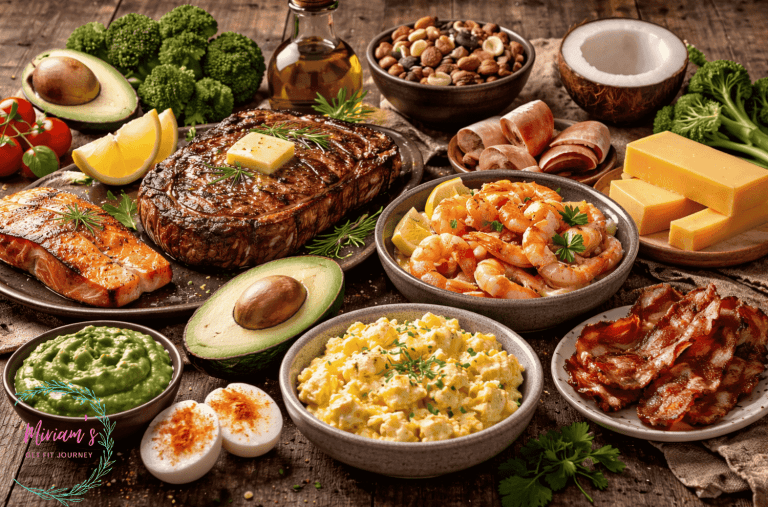
- High Fat (70–75% of calories): Focus on healthy fats like avocados, coconut oil, olive oil, butter, fatty fish, and nuts. These fats keep you full and provide sustained energy.
- Moderate Protein (20–25% of calories): Include grass-fed meat, poultry, eggs, and full-fat dairy. Protein supports muscle maintenance without kicking you out of ketosis.
- Low Carbohydrates (5–10% of calories): Limit carbs to non-starchy vegetables like leafy greens, broccoli, and cauliflower while avoiding grains, sugar, and high-carb fruits.
How to Start the Ketogenic Diet
Starting keto can feel overwhelming at first, but with a structured approach, it becomes much easier. Here’s how to get started:
1. Educate Yourself
Before starting, learn the principles of the keto diet, including macros, ketosis, and suitable food options. Understanding how your body transitions into ketosis will help you stay motivated.
2. Plan Your Meals
Create a weekly keto meal plan that includes a variety of foods to avoid monotony. Use online recipes and meal prep strategies to make your transition smoother. For a sample keto meal plan, check out my full Keto Meal Plan here. Batch cooking can save time and help you stick to the diet.
3. Grocery Shopping
Stock up on keto-friendly staples like:
- Fats: Avocado oil, coconut oil, ghee, butter, and olive oil
- Proteins: Grass-fed beef, chicken, fish, eggs
- Low-carb vegetables: Spinach, kale, cauliflower, zucchini
Avoid processed and high-sugar foods to maintain ketosis effectively.
4. Track Your Macros
While not mandatory for everyone, tracking macronutrients ensures you maintain the correct ratio of fats, proteins, and carbs. Apps like MyFitnessPal or Carb Manager can help.
5. Stay Hydrated and Replenish Electrolytes
During the initial stages, your body excretes water and electrolytes more quickly. Drink plenty of water and include foods rich in magnesium, potassium, and sodium, or consider supplements if necessary.
6. Gradual Transition
If going full keto feels daunting, gradually reduce carbs over one to two weeks. This approach minimizes keto flu symptoms and helps your body adapt to fat as the main energy source.
Tips for Beginners on the Keto Diet
Once you start your keto journey, these tips can help ensure success:
1. Prepare for the Keto Flu
As your body adjusts, you may experience headaches, fatigue, and irritability. Stay hydrated, replenish electrolytes, and give your body time to adapt.
2. Listen to Your Body
Everyone responds differently to keto. Adjust fat and protein intake according to how you feel. Energy levels, digestion, and satiety are good indicators of whether your diet is balanced.
3. Embrace Variety
Try new keto-friendly recipes, foods, and cooking techniques like grilling, roasting, or baking to keep meals exciting. Don’t be afraid to experiment with organ meats or fatty fish for nutrient density.
4. Build a Support System
Join online keto communities, forums, or local groups. Connecting with others on the same journey provides accountability, motivation, and helpful tips.
5. Be Patient
It may take several days to weeks to achieve full ketosis and see results. Remember, sustainable changes require time, commitment, and persistence.
6. Avoid Processed “Keto” Foods
Many packaged “keto” products are low in carbs but high in artificial ingredients and unhealthy fats. Focus on whole, unprocessed foods for maximum health benefits.
Benefits of the Ketogenic Diet
- Weight Loss: Fat becomes the primary fuel source, helping you burn stored body fat efficiently.
- Stable Energy & Mental Clarity: Low-carb intake prevents blood sugar spikes, improving focus and reducing crashes.
- Reduced Hunger: High-fat meals promote satiety and reduce cravings.
- Improved Blood Markers: Many report better cholesterol, triglycerides, and blood sugar levels.
- Sustainable Lifestyle: Keto can become a long-term approach for overall health and wellness.
Final Thoughts
The ketogenic diet is more than just a trend—it’s a lifestyle that can transform energy, metabolism, and health when approached thoughtfully. By understanding the basics, planning meals strategically, and following these beginner tips, you can successfully transition to a low-carb, high-fat lifestyle.
For a full sample keto meal plan to help you get started, check out my Keto Meal Plan here.
Remember, every keto journey is unique. Listen to your body, stay consistent, and embrace the process. Happy ketoing!